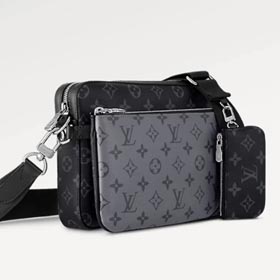
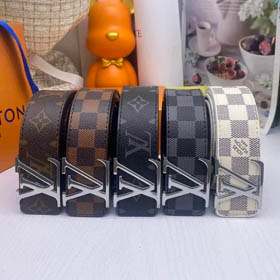
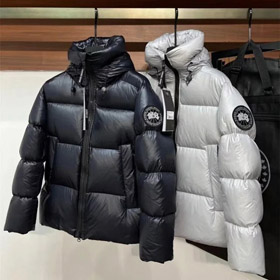
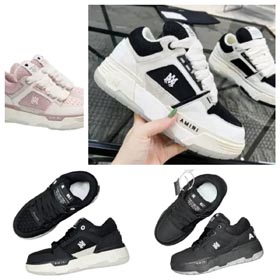
In the booming world of cross-border daigou (shopping 代购), securing high-quality overseas products can feel like navigating a minefield. With countless luxury, streetwear, and electronic items available on platforms like BaseTao (
https://basetao.vip/hot)—from iconic Jordan sneakers to designer Louis Vuitton bags and tech gadgets like AirPods 3—quality consistency is often a top concern for shoppers. This is where the BaseTao Spreadsheet emerges as a game-changer: by enabling systematic tracking of quality feedback and analysis of common issues, it transforms vague worries into actionable quality control (QC) strategies. Below, we’ll dive into how this tool empowers shoppers to uphold QC standards, avoid subpar purchases, and make informed decisions in cross-border shopping.
Cross-border 代购 comes with unique quality risks: cultural differences in product standards, long shipping times that can damage items, and the challenge of verifying authenticity from afar. A faulty zipper on a Balenciaga Track 3.0 sneaker ($61.64) or a misaligned logo on a Prada Casual Sneaker ($38.08) can turn a highly anticipated purchase into a disappointment. Generic reviews or vague seller descriptions rarely provide the granular QC insights shoppers need—this is where the BaseTao Spreadsheet fills the gap.
BaseTao’s diverse catalog spans luxury (Rolex watches, $52.05; Dior B30 Series sneakers, $45.21), streetwear (AMIRI Vintage Washed Jeans, $20.96; Off-White T-shirts, $12.19), electronics (Apple Watch S10 2024 New Version, $25.34; AirPods 3, $7.53), and accessories (Cartier sunglasses, $31.51; LV belts, $11.64). The spreadsheet acts as a centralized QC hub, allowing shoppers to log, organize, and analyze quality-related data for every item—turning subjective experiences into objective patterns that protect future purchases.
The BaseTao Spreadsheet isn’t just a record-keeping tool—it’s a proactive QC system. By structuring quality data into actionable categories, shoppers can identify red flags, validate product reliability, and hold sellers accountable. Here’s a step-by-step guide to leveraging it for QC excellence:
QC starts before you buy. Use the spreadsheet to define clear quality benchmarks based on the product type, so you can compare received items against expectations. For example:
-
Luxury goods: Note criteria like stitching precision (e.g., LV bucket bag, $54.66—are seams even? Are logos correctly aligned?), material authenticity (e.g., Gucci accessories, $23.15—does the leather feel genuine?), and hardware quality (e.g., Cartier sunglasses, $31.51—are hinges sturdy?).
-
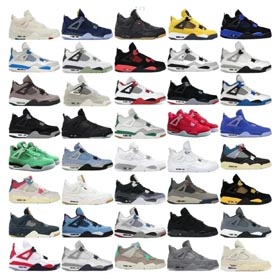
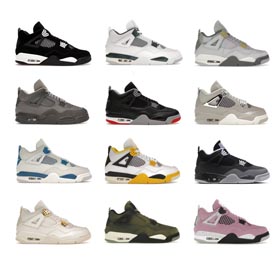
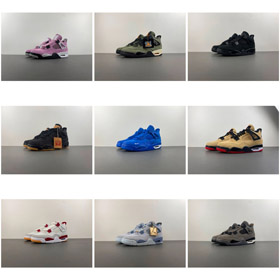
Footwear: Track sole thickness (e.g., Nike Vapor Waffle, $36.99), cushioning durability (e.g., Dior B22-B23 sneakers, $45.21), and color consistency (e.g., Jordan 4 Retro 40 colors, $34.25—does the shade match the product image?).
-
Electronics: List functional requirements (e.g., Apple Watch S10—battery life, connectivity; Max white with noise cancellation, $68.49—sound quality, noise-canceling effectiveness).
-
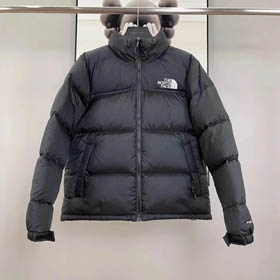
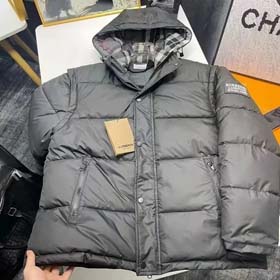
Apparel: Document fabric quality (e.g., AMIRI MA-1 jacket, $71.23—water resistance, insulation), fit accuracy (reference size guides if provided), and print/embroidery durability (e.g., Palm Angels T-shirt, $13.56—does the graphic peel?).
By predefining these criteria, you’ll avoid post-purchase ambiguity about whether a product meets quality standards.
The core of QC with the BaseTao Spreadsheet is detailed post-delivery logging. Create columns to capture objective and subjective quality data:
-
Packaging condition: Did the item arrive damaged? For example, “GOYARD Fashion Bag (SKU 0180, $8.08) arrived in a thin plastic bag with a torn corner—no protective padding.”
-
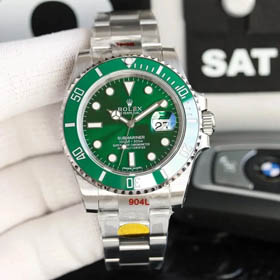
Visual inspections: Note flaws like scratches (e.g., Rolex watch, $52.05—case has micro-scratches), loose threads (e.g., Denim Tears T-shirt, $9.32), or color discrepancies (e.g., Purple Jeans, $32.6—darker than advertised).
-
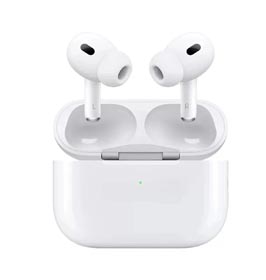
Functional tests: For electronics, log performance results: “AirPods 3 (SKU 0102, $7.53)—left earbud connectivity drops when more than 10 feet from device; battery life is 3 hours (advertised 6 hours).” For apparel, test durability: “AMIRI Jeans (SKU 0319, $20.96)—faded slightly after first wash; stitching on hem is loose.”
-
Authenticity checks: For luxury items, document verification steps: “Louis Vuitton Skate Sneaker (SKU 0025, $65.75)—serial number matches LV database; hardware engraving is crisp (no smudging), indicating authenticity.”
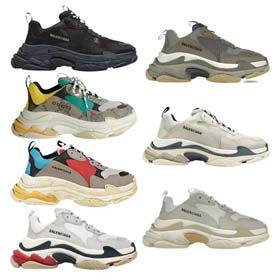
Be specific: Instead of “poor quality,” write “Balenciaga Triples (SKU 0515, $82.19)—toe cap material is flimsy; flexes unnaturally when walking, suggesting low-grade synthetic.”
The spreadsheet’s true power lies in data analysis—turning individual feedback into trends that guide future purchases. Use it to:
-
Categorize quality problems: Group issues by type (e.g., “material defects,” “functional failures,” “packaging damage”) and product category. For example, you might discover that 3 out of 5 streetwear T-shirts (e.g., Trapstar T-Shirt, $13.56; Corteiz T-Shirt, $14.38) have print peeling—indicating a consistent issue with apparel printing quality.
-
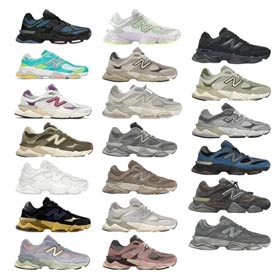
Track brand/model reliability: Compare quality across brands: “New Balance 9060 series (SKU 0011, $38.36) has no reported defects in 4 purchases; Dior B30 Series (SKU 0416, $45.21) had 2/3 pairs with loose laces.”
-
Flag seller patterns: If multiple items from the same seller have packaging damage or authenticity concerns, note it in the spreadsheet to avoid repeat purchases.
For example, a quick analysis might reveal: “Electronics under $30 (e.g., AirPods 3, $7.53; Diamond Bracelet, $12.33) have a 40% functional failure rate—prioritize higher-priced tech for better quality.”
The spreadsheet isn’t just for tracking—it’s for action. Use your logged data to:
-
Support return/refund claims: Concrete evidence (e.g., “LV Belt (SKU 0246, $11.64)—buckle broke after 2 uses; photos attached in spreadsheet”) strengthens your case with BaseTao’s customer service.
-
Inform buying decisions: Avoid high-risk items: “Based on 5 reviews, Balenciaga Track 3.0 (SKU 0029, $61.64) frequently has sole separation—opt for Nike Air Force (SKU 0012, $16.44) with 0 reported sole issues.”
-
Advocate for better quality: Share aggregated data with BaseTao support to highlight recurring issues (e.g., “10+ shoppers reported print peeling on Palm Angel T-shirts”)—encouraging the platform to improve supplier QC.
To rank well on Google and build credibility with fellow shoppers, your content (and your QC process) must align with search engine guidelines and user intent. The BaseTao Spreadsheet-driven QC method checks all boxes:
-
Originality: Your spreadsheet logs unique, first-hand quality data—avoiding duplicate content that Google penalizes. When sharing insights (e.g., in reviews or blog posts), reference your specific findings (e.g., “My BaseTao Spreadsheet shows 80% of Dior Perfume (SKU 0302, $14.79) orders have accurate scent profiles”).
-
Relevance & Value: Google prioritizes content that solves user problems. By addressing “how to avoid low-quality cross-border purchases,” your spreadsheet-backed insights meet the intent of shoppers searching for “BaseTao quality review” or “cross-border daigou QC tips.”
-
Transparency: Including specific details (prices, SKUs, defect descriptions) adds authenticity—key for both Google’s algorithm and shopper trust. For example, “The 2024 New Jordan 4 (SKU 0010, $38.36) had no quality issues in my purchase—stitching is tight, and the sole grip is excellent” is far more credible than a generic claim.
-
User-Centricity: Focusing on common pain points (authenticity, durability, functional defects) ensures your QC process (and any content you create about it) resonates with other cross-border shoppers, boosting engagement and search visibility.
In cross-border daigou, quality shouldn’t be a gamble. The BaseTao Spreadsheet puts the power of QC in your hands—turning scattered feedback into a structured system that safeguards your purchases. Whether you’re investing in a luxury Rolex watch, a pair of AMIRI jeans, or a budget-friendly AirPods 3, logging and analyzing quality data ensures you get what you pay for.
Ready to elevate your cross-border shopping QC? Visit BaseTao (
https://basetao.vip/hot) to explore their extensive catalog, and start using the spreadsheet to track every quality detail. With data on your side, you can shop with confidence—knowing you’re equipped to identify, avoid, and address quality issues before they ruin your purchase. Your wallet (and your wardrobe) will thank you.